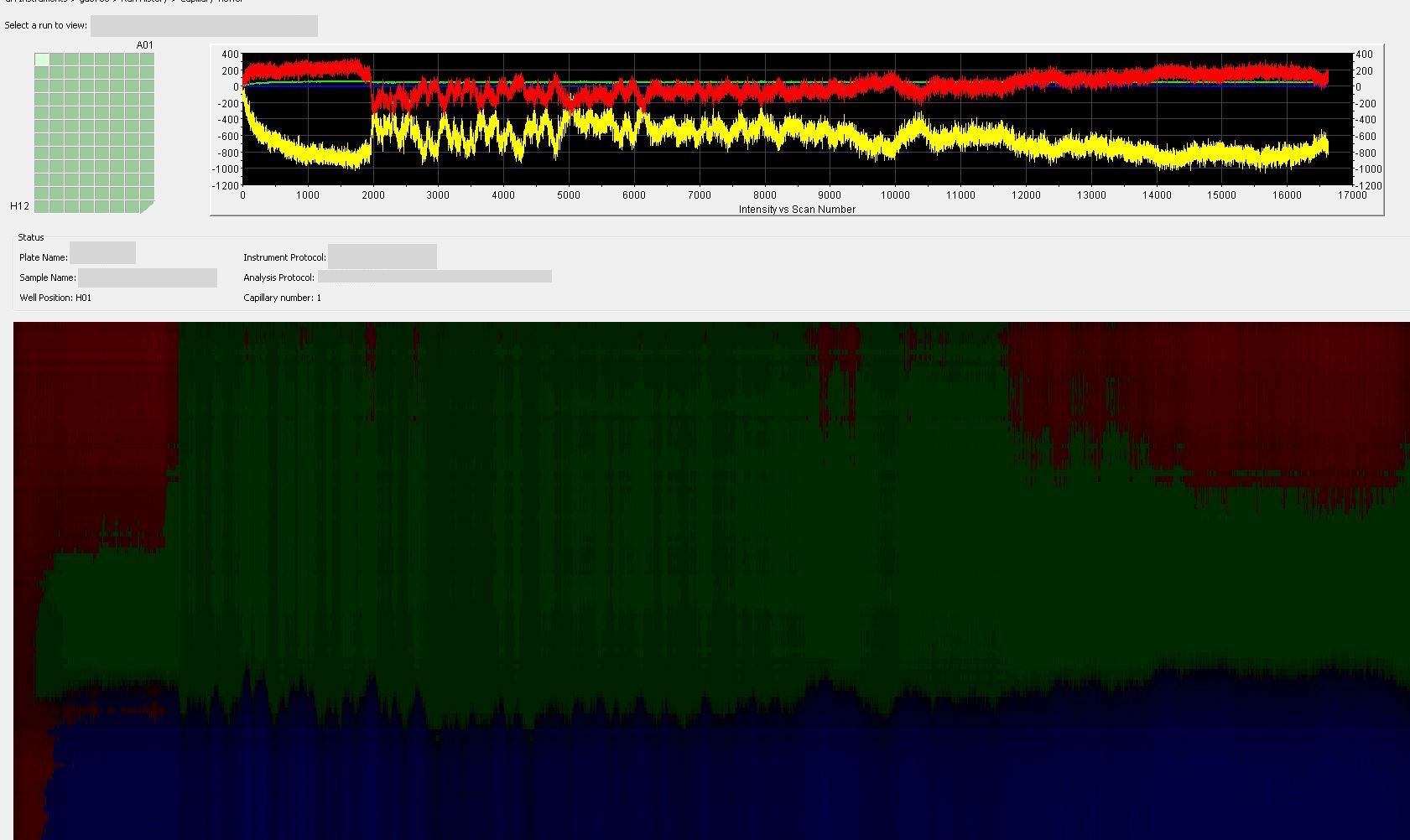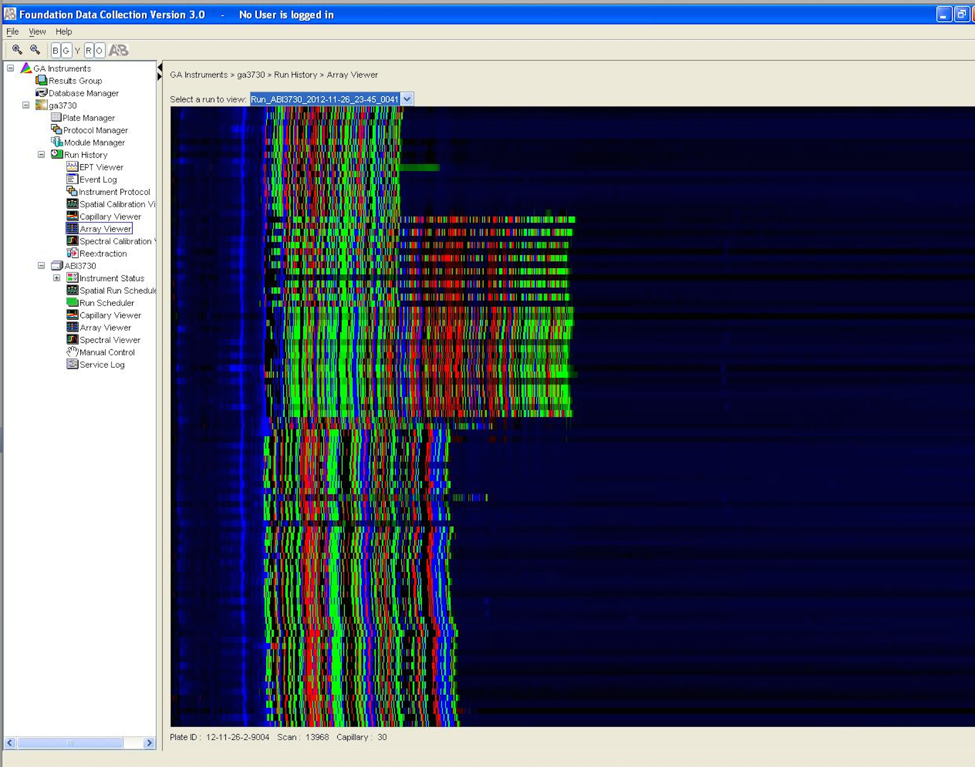
Sometimes running into problems can make us better people and build our character. Other times running into problems can make us want to pull our hair out. If you happen to run into a blue background on your array view, don’t stress just yet. Hopefully, this post will keep you from reaching for some Rogaine.
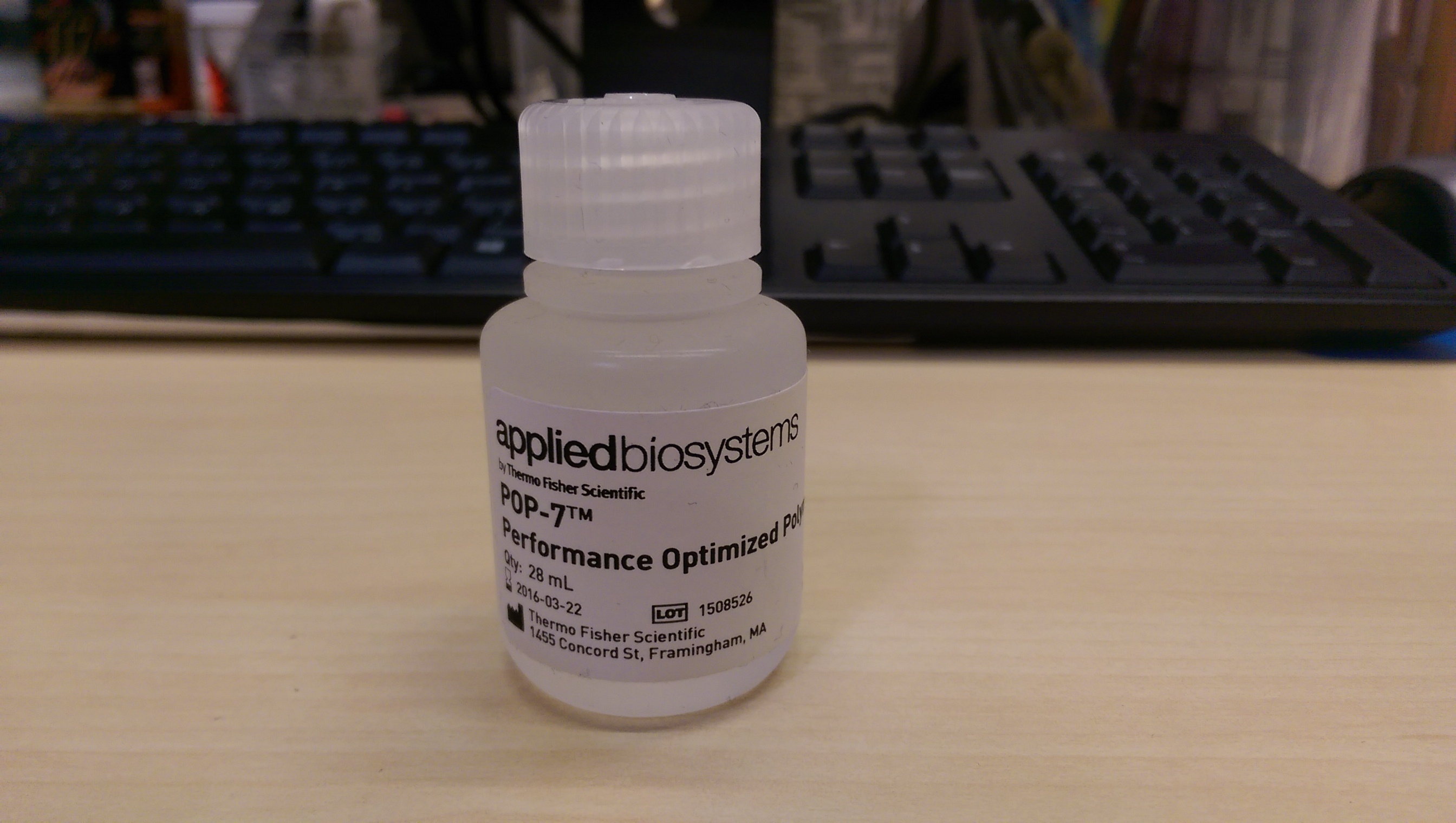
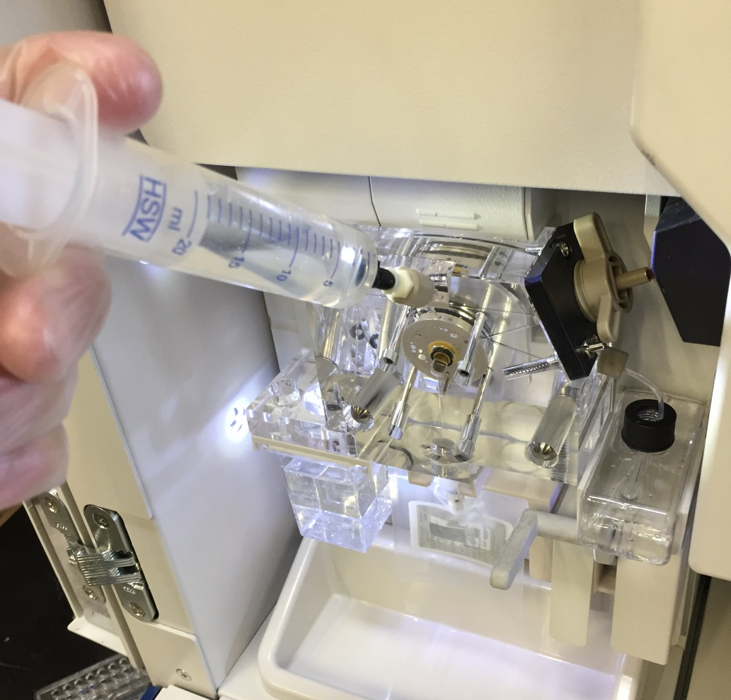
They say that it’s all about the little things in life that make a big difference. Although “they” were probably referring to things like compliments or ice cream cones. Instead, we’re referring to changing out the polymer for your 310, 3100, 3130 and 3730 machines.
Changing out your polymer might not be glamorous, but it is an imperative part of making sure you’re gathering accurate data. If you’ve been wondering how often you should change out your polymer, don’t worry, we get that question a lot
When it comes to your capillary sequencers, we always assume “Green is for go” signaling that everything is up and running smoothly. You may be looking for the “green light” on your sequencer to ensure you’ve passed the initialization sequence, but it’s just not happening, even after rebooting. Let’s go through just exactly what you should see.
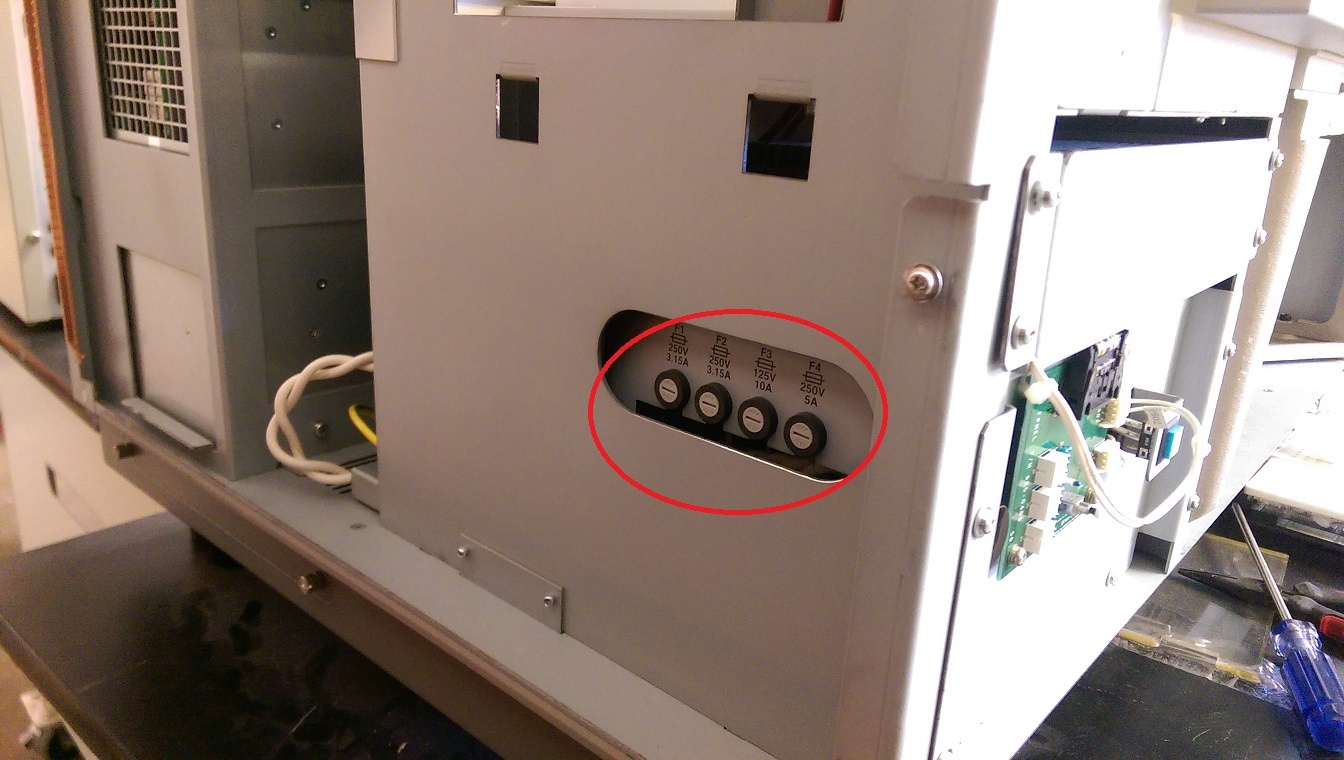
First and foremost, when checking sequencer functionality, be certain the computer and sequencer are plugged in. Sounds like it doesn’t need to be said, but we’ve seen this issue before. Also, if the machine has been in “idle” mode for a long period of time, it may have tripped the safety breaker and turned the machine off. These are two items to check for immediately.
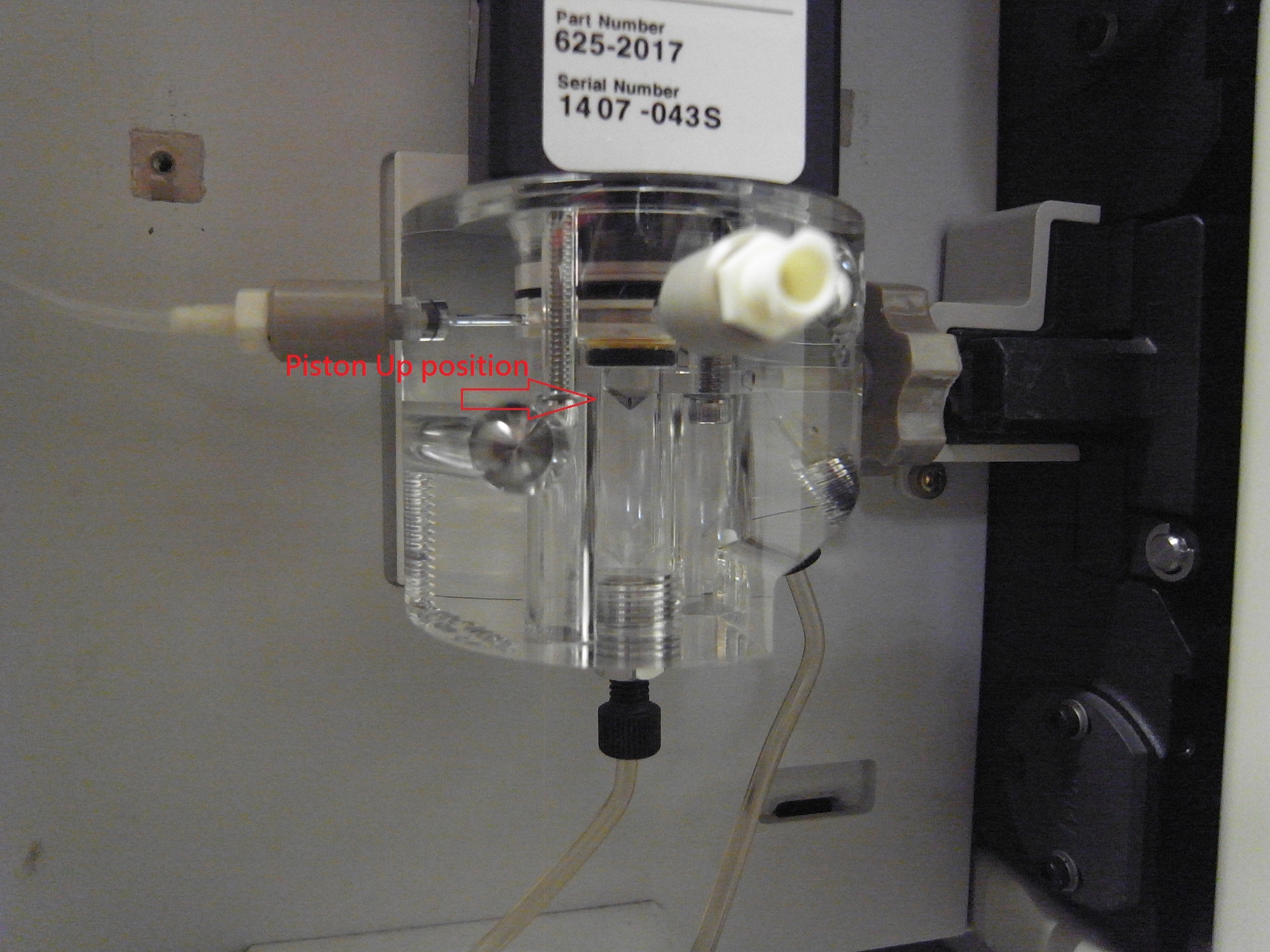
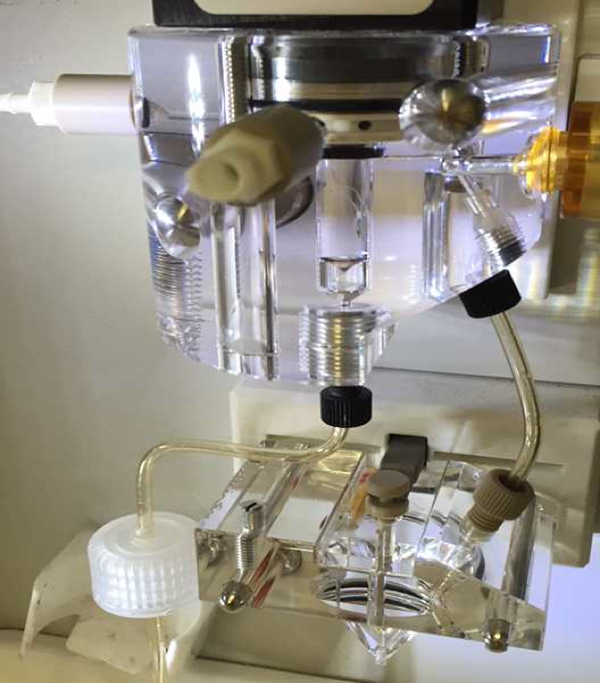
We all need a tune-up every once in a while, and this goes for PDP water trap in your 3730 as well. These PDP water traps should be flushed about once a month using distilled or deionized water.
By performing this procedure at least once a month, you’ll clear out any diluted polymer and bubbles. It’s best to leave the trap filled with the water. Doing this as a part of your regular maintenance will greatly decrease the chances of having a problem with your pump.
Murphy’s Law states: Whatever CAN go wrong, WILL go wrong. As hard as we all try to make sure we are careful to avoid problems, problems are an inevitable fact of life. The sooner we accept this, the sooner we’ll be able to get our machines back up and running! So whatever problem comes your way, when it comes to DNA sequencers, SeqGen is here to help.
Everyone knows to stop at a red light, slow down for a speed bump, or to walk carefully when there is a “caution, wet floor” sign. Signs are there to give us a hint about what we should do next, and luckily for you, DNA Sequencing machines give you signs to help you out.
Judging from the number of “Out of Office” replies we are receiving these days, it seems that many of you are enjoying some well-deserved time off. You will get the same response from me if you email in the next two weeks! Luckily, the amazing SeqGen team is awaiting your call and can help you with any service issue you may be facing. If you are planning an extended absence, don’t forget to also give your sequencer, PCR, or qPCR machine the proper vacation it needs.
Springtime may have come and gone, but it’s never too late to start your spring-cleaning! As a matter of fact, with a little bit of elbow grease and a lot of patience, you can restore your silver block 9700 thermal cycler to pristine condition. This is routine procedure when SeqGen performs preventative maintenance on the thermal cycler, but we are more than happy to share our trade secret!
No matter how big your lab is, you’ve probably asked yourself this question. It’s difficult to decide whether to continue on with the sequencer or qPCR you know and love, or go with the powerful new technology. When you start to consider things like service plans and the hassle of changing equipment, it can feel like an overwhelming decision. To make the right decision, there are a few things you should consider.