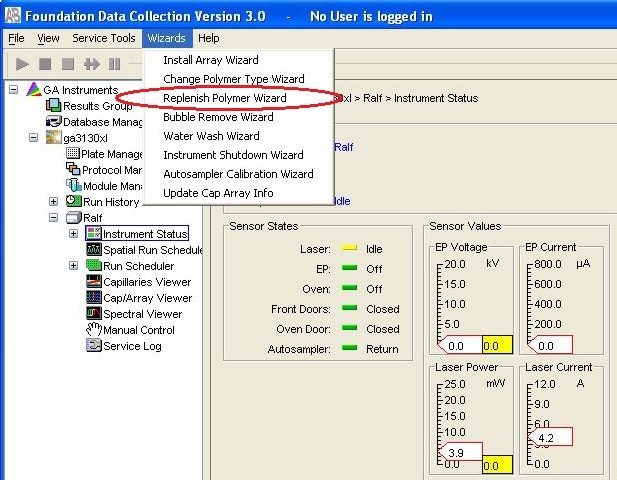
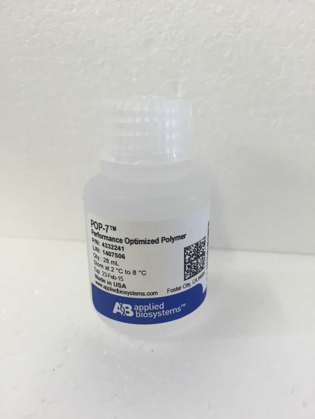
We all know that the reagents for your sequencers and qPCR machines aren’t cheap, so of course everyone is looking for any and every way to save on these supplies. With a bottle of polymer costing a few hundred dollars, you learn quickly that it is not to be wasted. Luckily, some very bright people work with these machines every day and they’ve come up with some ingenious ways to get the most out of your polymer.

Over the past few years we’ve been bringing you the most common issues and best trouble shooting tips through our blog. There have been all kinds of odd errors for us to work on this year, but we kept seeing these particular problems occur over and over.
Since we love working with our partners in the lab, we wanted to dive into our blogs and bring you the most helpful tips and tricks we could find. So without further ado, here are the 5 most helpful hints we've given out so far.
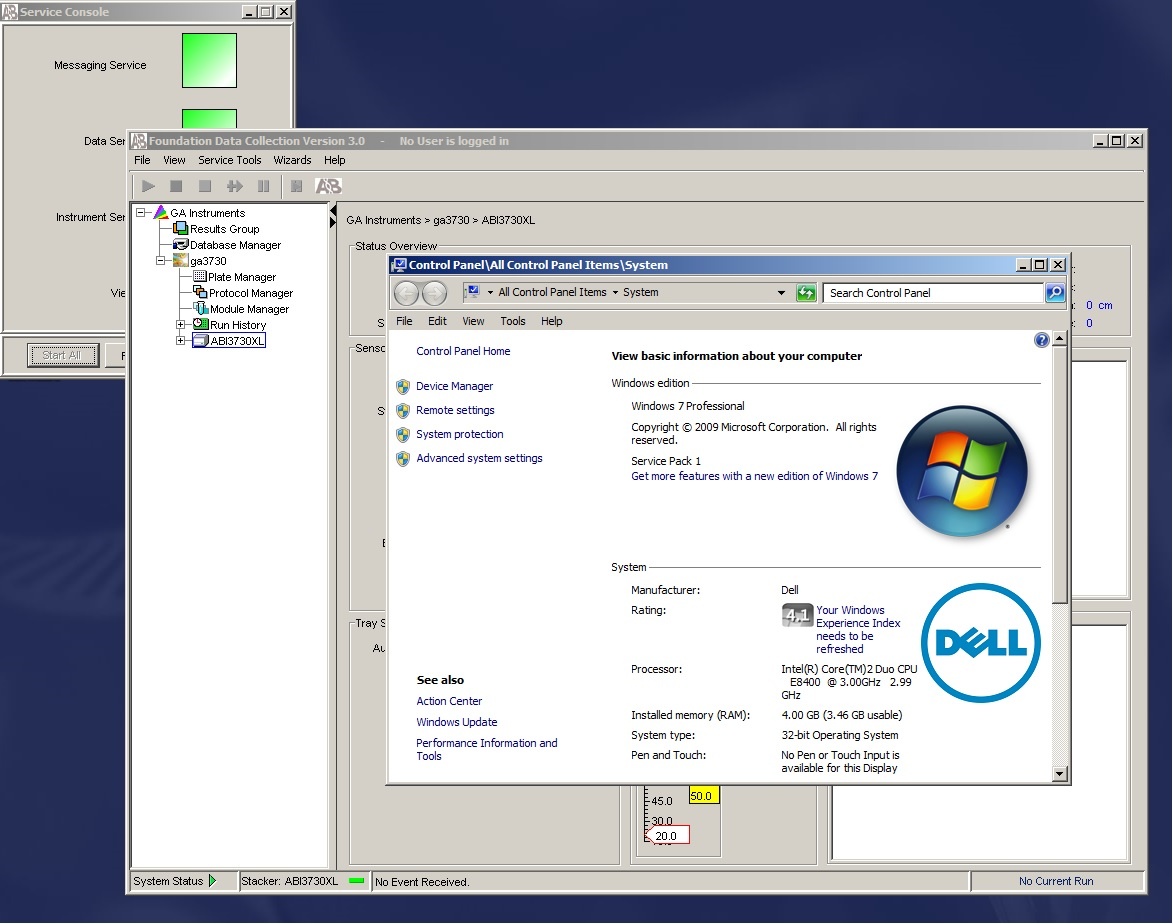
SeqGen is dedicated to our customers and your machines. Your concerns become our concerns. We have been receiving many emails and phone calls from our customers asking if they have to upgrade their sequencing and fragment analysis software to work on the Windows 7 operating system. Like many major updates with these machines, this can run you a pretty penny, and you’ll want to make sure you actually need the update before you blow your budget.
You may have gotten a notice from your manufacturer saying that in order to have the best security and efficiency for your machines, your software should be replaced to run under Windows 7. It may not sound like much of a setback; that is until they mention the multi thousands of dollars that you will need to find within your budget to upgrade your data collection software! THAT is quite the setback.
If you’ve been following our blog, you know that regular maintenance is key to the health of your machines. We all know that our sequencers are made up of a bunch of smaller parts. We also know that eventually some of these parts wear out and it’s time to dig into the piggy bank to cover the new pieces if you do not enjoy Platinum coverage with SeqGen for your capillary electrophoresis machines.
Unfortunately, we haven’t found a way to beat Father Time when it comes to wear and tear on certain parts, but there are some things you can do to hold him off.
As if weekly maintenance wasn’t enough, there are still some procedures that you should go through twice per month to ensure your sequencer’s health. When it comes to bi-monthly maintenance, start by checking the polymer. The most common question we hear at SeqGen is “How often should I change the polymer on my machine?”
If you’ve been working with your ABI 3130/xl or 3730/xl for any length of time, you’ve probably asked yourself, “Which takes more time to maintain—a sequencer, or a newborn baby?
We would have to call it a toss-up, but if you’d like, you can give us any insight into this question in the comment section.
Even though it might seem as if the recommended weekly and bi-weekly maintenance is thorough enough, monthly maintenance protocol is recommended as well. Here are some of our favorite maintenance tips sure to make your life easier in the long run.
If your lab is like ours, you know that a week can come and go in the blink of an eye! You’re just minding your own business, running samples, and all of a sudden another week can be checked off the calendar. This isn’t a bad thing; you know the saying—time flies when you’re having fun! But that doesn’t mean you shouldn’t be taking care of your equipment in the meantime.
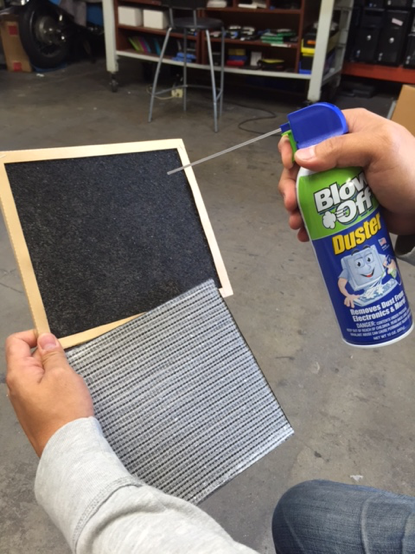
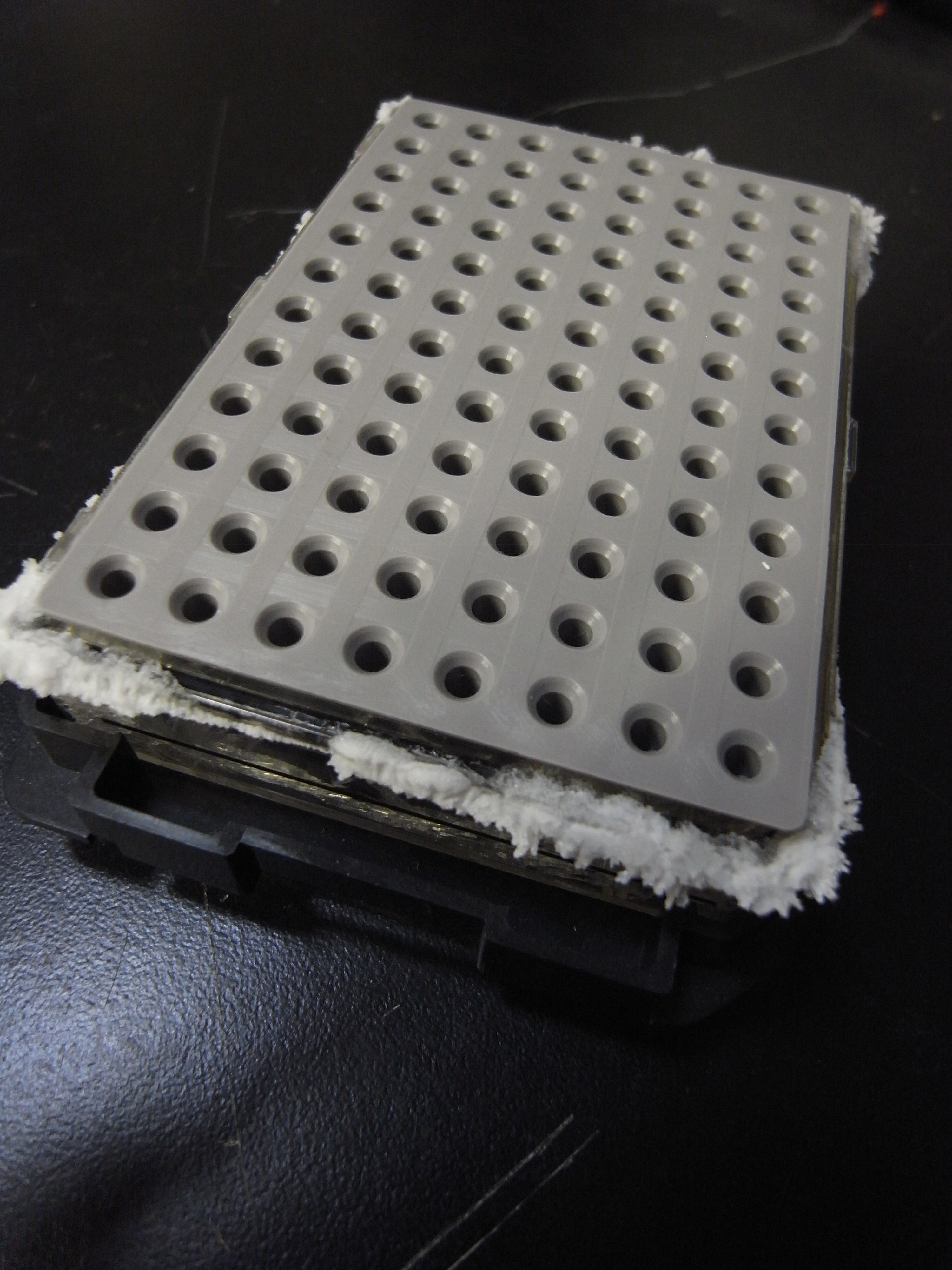
At the start of every week, there are a few procedures to perform to make sure that your machine is running at peak performance. Before you dive headfirst into your samples, it’s best to make sure you are starting with a clean slate, otherwise your machine could end up looking like this.
We all know that our sequencers need constant maintenance and attention to stay at the top of their game, but keeping up with each and every tiny moving part on these machines can seem daunting.
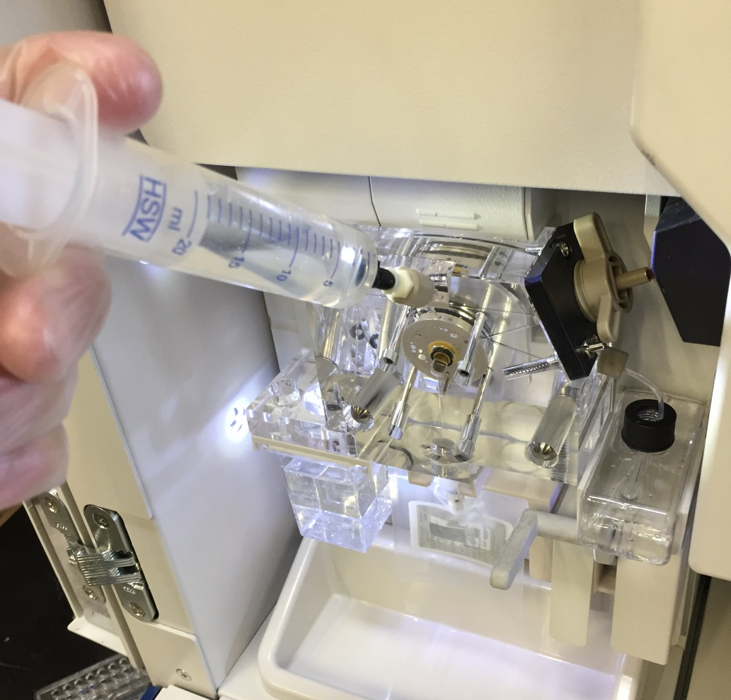
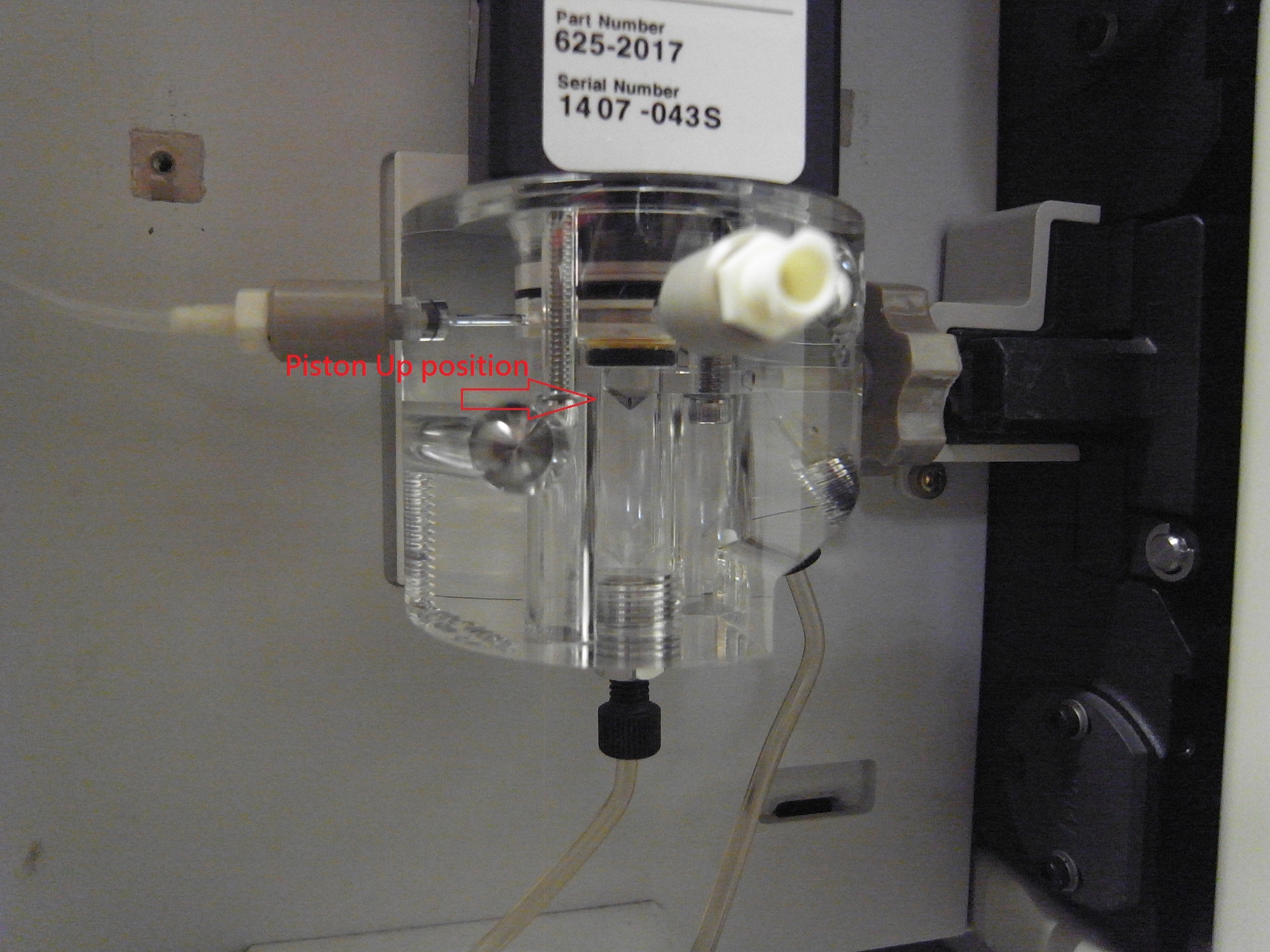
One of the little parts on the ABI 3130/xl, 3730/xl, 3500/xl to stay on top of is the piston. If you neglect to take care of this piston, the polymer can back-flow into the pump motor, which can cause serious problems (and an expensive service visit) down the road. Flushing the water trap is the easiest way to care for it. So to make sure your traps and pistons are squeaky-clean, follow these six easy steps to flush the trap on your ABI sequencers.
There are few other things in this world more frustrating than getting the cold shoulder for a reason you can’t even guess. Is your sequencer’s data collection software giving you the cold shoulder? And by cold shoulder we’re actually referring to the yellow triangle status.
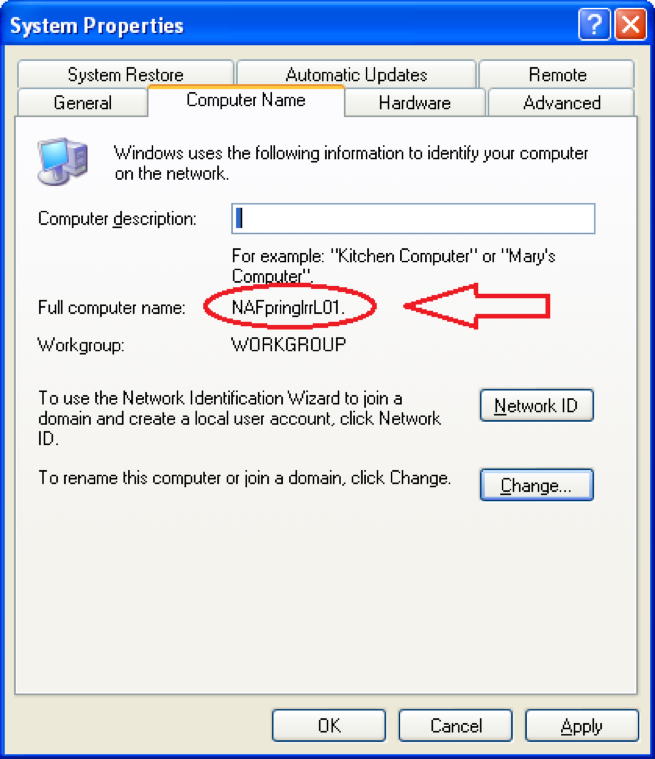
This is a fairly common problem that can be explained by a multitude of causes, luckily we have a solution. Some of the most common times we see this is when the computer name has been changed or incorrectly changing the settings on the computer can lead to this mishap. In order to ensure that the computer name is set correctly, follow these four easy steps.
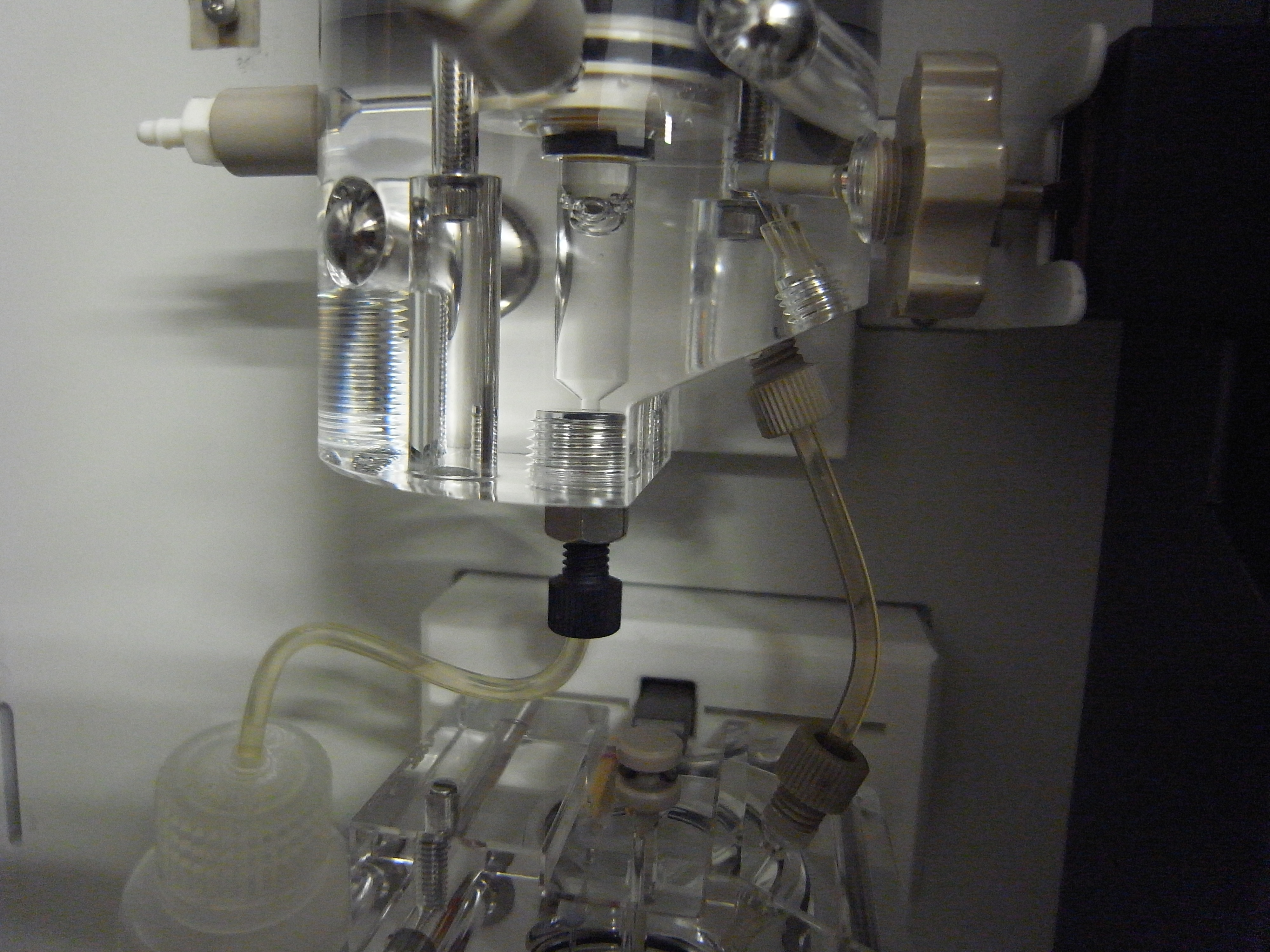
For every problem you may encounter with any of your machines, we are here to help you find the solution. If your 3130 or 3730 is giving you an error which reads: “Electrical Discharge Error,” one of the possible causes could be an issue with your pump’s one-way check valve . The error may indicate that the valve is malfunctioning, resulting in the back-flow of liquid to the polymer bottle. This leads to incomplete filling of your array and causes the old polymer to remain in the capillary. The end result is a bad spatial intensity, as well as an electrical discharge error.